When to Request an Emergency Roof Inspection and How to Prepare
A sudden storm rolls through Austin, Texas, and the next morning you find a water stain spreading across your living room ceiling. Your first instinct might be to call a roofer right away, and that is often the right move. But not every leak qualifies as an emergency, and knowing the difference saves you stress and money. An emergency roof inspection is a specific service that addresses immediate threats to your home's structure and safety, not a routine checkup. Understanding when to request one and what to expect can help you act fast without panicking.
I have worked on roofs across central Texas for over a decade, and I have seen what happens when homeowners wait too long or call too early. The goal of this article is to share that experience so you can make a clear decision when water is dripping or shingles are scattered across your yard. We will cover the signs that justify an emergency call, how to handle the situation before help arrives, and what a professional inspection actually looks for. Along the way we will look at standards from groups like the National Roofing Contractors Association and the Insurance Institute for Business & Home Safety, because their guidelines are what good contractors follow.
What Qualifies as a Roof Emergency
A roof emergency is any condition that threatens to cause rapid structural damage, allows water into the interior, or creates a safety hazard. A slow leak around a skylight seal might need repair, but it is not an emergency if you can catch the water in a bucket and schedule a visit in a few days. On the other hand, a tree limb that punched a hole through the decking is an emergency. So is a section of roof flashing that peeled up during a windstorm, exposing the underlayment to rain.
Hail damage in Texas is common, and it can create hidden problems. A hailstorm might crack asphalt shingles or bruise metal panels without causing an immediate leak. But those cracks allow moisture to seep in over time, leading to rot or mold. In that case an emergency roof inspection is not about stopping active water intrusion, it is about assessing whether the roof can survive the next storm. The National Weather Service issues severe thunderstorm warnings, and after one passes, that inspection becomes a smart precaution.
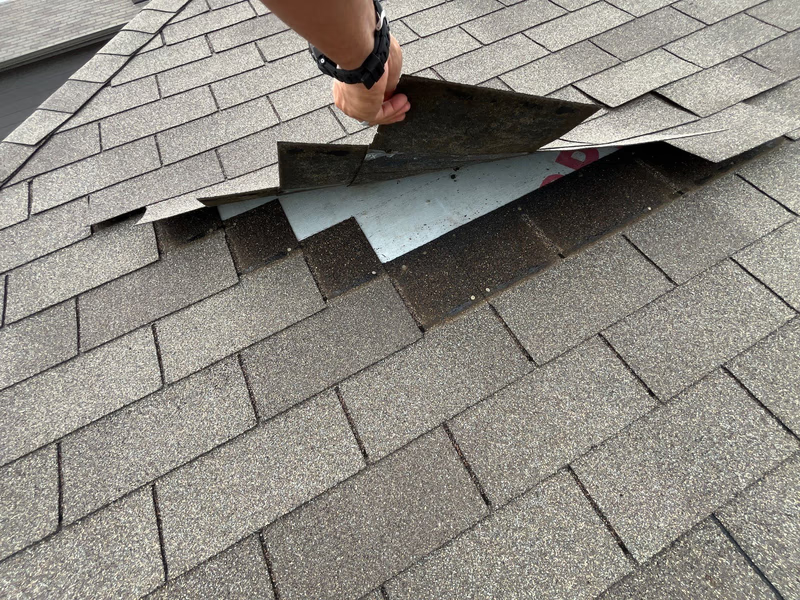
Wind uplift is another serious concern. When strong winds get under the edge of shingles or tiles, they can lift and break the seal. I once inspected a house in South Austin where the wind had peeled back an entire ridge row. The homeowner did not notice until the next rain, but by then water had soaked the decking and ruined a section of drywall. That situation started as a wind event and turned into an interior flood. A prompt inspection could have caught the loose ridge before the rain arrived.

What Happens During an Emergency Roof Inspection
When you call for an emergency roof inspection, a qualified contractor will typically come out within 24 hours, often sooner if the weather is active. They will start with a visual survey from the ground, looking for obvious signs like missing shingles, sagging areas, or debris on the roof. Then they will go up if it is safe. Safety is paramount, and OSHA guidelines require fall protection and proper ladder setup. Any contractor who rushes onto a wet roof without harnesses is not someone you want working on your home.
Once on the roof, the inspector will check every penetration point: vent pipes, skylights, chimneys, and roof flashing. They will look for cracks in seals, loose metal, and signs of thermal expansion that can cause materials to pull apart. Thermal expansion is especially relevant in Texas, where summer heat can make asphalt shingles expand and contract repeatedly. Over time that movement breaks the seal around flashings and creates gaps that let water in.
Leak detection is a big part of the inspection. Sometimes the source of a leak is not where the water shows up inside. Water can travel along a truss or down a wall before it drips. The inspector will trace the path, using moisture meters or just experience. They might check the attic for wet insulation or dark stains on the wood. That kind of detective work is why you want someone who knows how roofs behave, not just someone who can patch a shingle.
After the inspection, you should receive a written report that describes the damage and prioritizes repairs. The report might include photos and a timeline for when each repair should happen. If the damage is covered by your insurance, that report becomes crucial for your claim. Many insurers require documentation of the damage and the recommended repairs before they approve payment.
How to Prepare for an Emergency Inspection
Before the inspector arrives, there are a few things you can do to speed things up. First, move any furniture or valuables away from the leak area. Put a bucket or towel under the drip, and if possible, poke a small hole in the center of the water stain to let the water drain instead of spreading across the ceiling. That sounds counterintuitive, but it prevents the ceiling from sagging and collapsing under the weight of pooled water.
Second, gather any information you have about your roof's age, the material, and the last repair or replacement. If you have a roof warranty from the manufacturer, such as GAF, CertainTeed, or Owens Corning, have that paperwork ready. Knowing the brand and product line helps the inspector understand what they are working with. Different materials have different failure modes, and a manufacturer's warranty may cover certain defects if you report them quickly.
Third, clear the area around your home's exterior so the inspector can set up a ladder and walk the perimeter. Move potted plants, trash cans, and yard tools away from the walls. If there is debris like branches or hail stones on the ground, leave them in place until the inspector has seen them. They can be evidence of the storm's severity and help with the assessment.
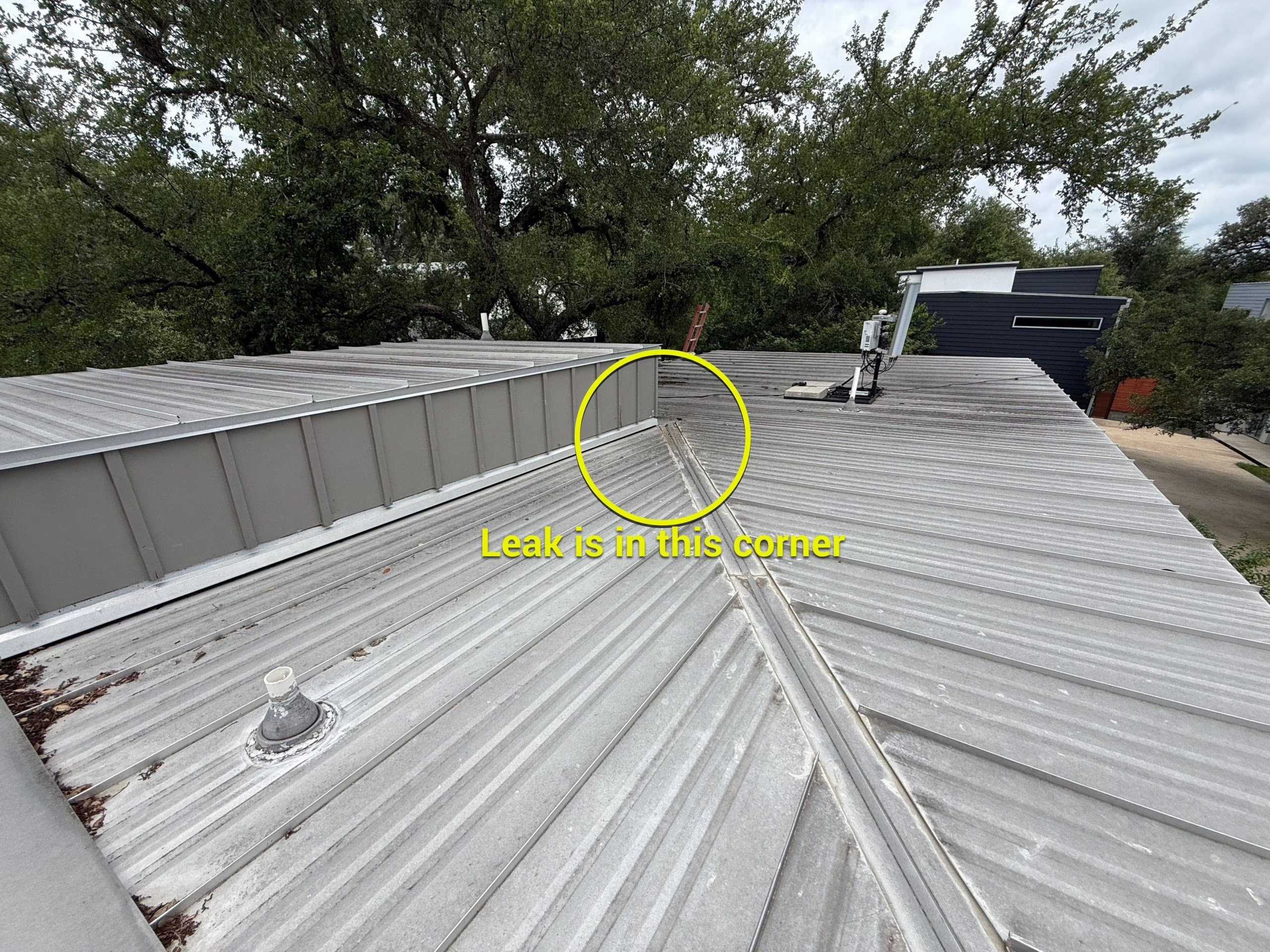
Fourth, if you have access to your attic, check for wet insulation or daylight coming through the roof deck. Take a photo if you can, but do not walk on any ceiling joists that look damaged. The inspector will want to see the attic anyway, so just note what you see and tell them.
Finally, have a list of questions ready. Ask about the cause of the damage, whether it is an immediate safety risk, and what the repair options are. A good contractor will explain the trade-offs between a temporary patch and a permanent fix. They should also tell you if the damage affects your roof warranty or if it might void it if not repaired by a certified installer.
Choosing the Right Contractor for the Job
Not every roofing company handles emergency inspections the same way. Some specialize in storm response and have crews on standby. Others focus on scheduled repairs and may not prioritize a same-day visit. When you search online, look for companies that mention emergency services explicitly. Check their reviews on HomeAdvisor or Angi to see how they handled urgent calls. Also look at their presence on Google Maps to confirm they serve your specific area in Austin.
Credentials matter. Membership in the National Roofing Contractors Association shows a commitment to industry standards and ongoing education. The Insurance Institute for Business & Home Safety publishes guidelines for disaster-resistant construction, and contractors who follow those guidelines tend to do higher quality work. If you live in a hail-prone area, ask if the contractor is familiar with IBHS FORTIFIED standards. That program sets criteria for roofs that can withstand severe weather, and it is becoming more common in Texas.
Beware of storm chasers. After a big hailstorm, out-of-town crews sometimes flood the area offering quick repairs with cheap materials. They might not carry proper insurance or know local building codes. Always verify that the contractor is licensed and insured in Texas. Ask for proof of workers' compensation and general liability insurance. If they hesitate, call someone else.
What Not to Do in an Emergency
It is tempting to climb up on the roof yourself to throw a tarp over a leak. Do not do it. Wet roofs are slippery, and a fall can cause serious injury. If you must cover a hole, do it from the ground using a long pole or hire a professional. Also, avoid using roofing cement or caulk as a permanent fix. Those materials are meant for small repairs, not for sealing a gap caused by structural damage. They might stop the drip for a day, but they can trap moisture and make the problem worse.
Do not ignore the issue hoping it will dry out. Even a small leak that dries up after a rain can leave behind mold or rot. Mold can spread through the attic and into the living space, causing health problems. The cost of remediation is almost always higher than the cost of the roof repair. That is why an emergency roof inspection is worth the call, even if you are not sure the leak is serious.
Final Thoughts on Acting Fast
Roof emergencies do not happen every day, but when they do, the clock is ticking. Water damage accelerates quickly, and the longer you wait, the more expensive the repair becomes. A professional inspection gives you a clear picture of what is wrong and what needs to happen next. It also provides documentation that can help with insurance claims and warranty coverage.
If you live in Austin, Texas, you already know that weather can change in an hour. From hailstorms in the spring to heat waves in the summer, your roof takes a beating. Staying ahead of problems means knowing when to call for help and what to expect when you do. An emergency roof inspection is not just about fixing a leak, it is about protecting the biggest investment most people ever make. Treat it that way, and you will sleep better the next time thunder rolls in.